


Professional Home Care Wolverhampton vs Care Homes: Pros and Cons
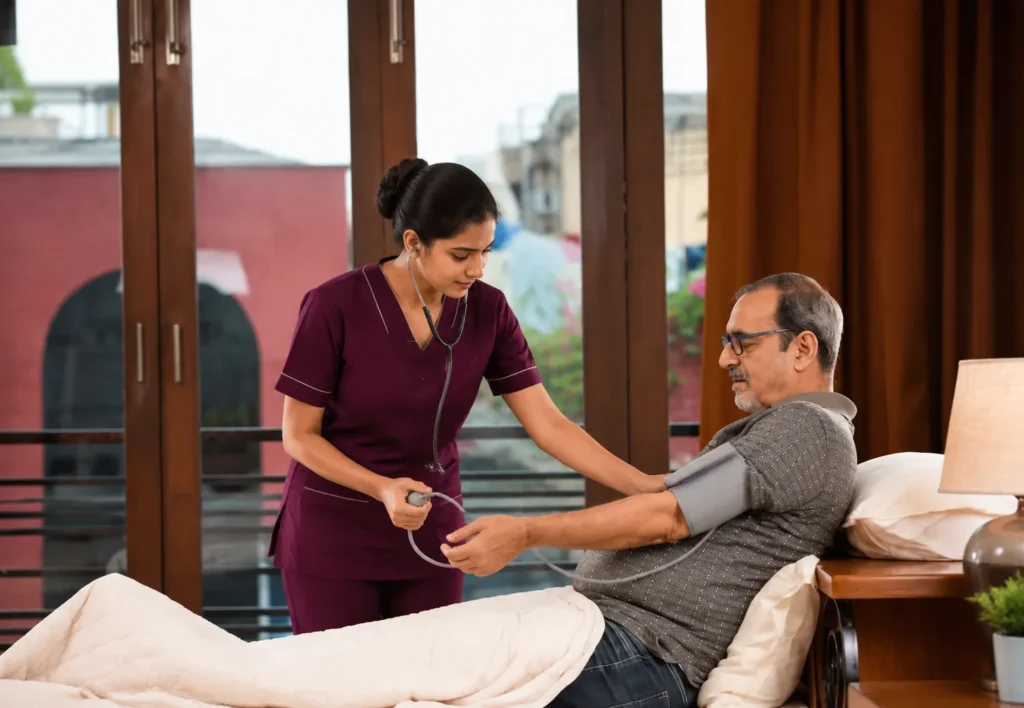
Choosing the right care option for a loved one is a major decision that involves emotional, practical, and financial considerations. Many families struggle to decide whether professional support at home or moving into a care home would provide the best quality of life.
Understanding Home Care vs Care Homes in Wolverhampton can help families compare both options and choose support based on individual needs, health requirements, and personal preferences.
While care homes provide a residential environment with support available on-site, professional home care allows individuals to remain in familiar surroundings while receiving personalised assistance. The right choice depends on the level of care required and what matters most to the individual.
What Is Professional Home Care?
Professional home care provides personalised support that allows individuals to receive care while continuing to live safely in their own home.
Unlike residential care, home care focuses on bringing support directly to the individual rather than requiring them to move into a care facility.
Professional home care may include:
- Personal care assistance
- Medication support
- Mobility assistance
- Meal preparation
- Companionship
- Healthcare support
- Rehabilitation assistance
- Specialist care for complex conditions
For individuals with ongoing health needs, Professional Home Care Services Wolverhampton can provide tailored support designed around their routines, medical requirements, and independence goals.
Families can explore suitable home care services to understand how professional support can be adapted around individual circumstances.
What Are Care Homes?
Care homes are residential facilities where individuals live and receive support from trained care staff in a shared environment.
Care homes may provide accommodation, meals, personal care, and social activities for people who require assistance with daily living.
Some individuals choose care homes because they offer:
- 24-hour staff availability
- Shared social activities
- Accommodation and meals
- A structured daily routine
- Support with personal care
Care homes can be suitable for people who need regular assistance and prefer living within a community setting.
However, moving into a care home involves leaving a familiar environment, which may be challenging for some individuals.
What Is the Difference Between Professional Home Care and Care Homes?
The main difference between professional home care and care homes is where support is provided and how personalised the care experience can be.
Professional Home Care | Care Homes |
Care is provided in the individual’s own home | Individual lives in a residential facility |
Support is personalised around existing routines | Care follows a shared environment structure |
Family remains closely involved | Family visits within care home arrangements |
Individual keeps their familiar surroundings | Person adapts to a new living environment |
Suitable for personalised support needs | Suitable for people requiring residential support |
When comparing Home Care vs Care Homes in Wolverhampton, families should consider health needs, independence, emotional wellbeing, and personal preferences.
What Are the Benefits of Professional Home Care?
Professional home care allows individuals to receive support while maintaining independence, comfort, and control over their daily lives.
Remaining in a Familiar Environment
One of the biggest advantages of home care is that individuals can continue living in a place filled with personal memories and familiar routines.
This can help reduce stress and provide emotional comfort.
Personalised One-to-One Support
Care is designed around the individual rather than following a general routine shared with other residents.
Support can be adapted according to:
- Personal preferences
- Health requirements
- Daily habits
- Lifestyle choices
Maintaining Independence
Professional home care encourages individuals to remain involved in decisions about their daily lives.
Support is provided where needed while allowing people to maintain control.
Family Involvement
Families can remain actively involved in care without needing to manage every aspect of support themselves.
Support for Complex Healthcare Needs
Some individuals require specialist assistance that may be better suited to personalised care arrangements.
Families can explore professional home care services that provide support tailored to specific healthcare needs.
What Are the Challenges of Professional Home Care?
While professional home care provides many benefits, families should also consider potential challenges before making a decision.
Possible considerations include:
- Finding the right provider
- Coordinating care schedules
- Ensuring appropriate support is available
- Managing changing care requirements
Choosing an experienced provider with trained professionals and clear communication can help overcome these challenges.
Families should consider whether the provider follows strong safeguarding procedures, completes risk assessments, and maintains quality standards.
Checking whether a provider is regulated by the Care Quality Commission (CQC) can help families understand service quality and safety expectations.
What Are the Benefits of Care Homes?
Care homes can provide a structured environment with ongoing support and opportunities for social interaction.
Benefits may include:
24-Hour Staff Availability
Many care homes have staff available around the clock to assist residents.
Social Opportunities
Residents may participate in organised activities and interact with others.
Structured Support
Daily routines, meals, and activities are often organised by the facility.
For some individuals, a care home environment provides comfort and a sense of community.
What Are the Challenges of Care Homes?
Moving into a care home can involve emotional and practical adjustments.
Some challenges include:
- Leaving a familiar home
- Adjusting to a new environment
- Less control over daily routines
- Shared living arrangements
- Limited personal space
For individuals who strongly value independence, remaining at home may feel like a more suitable option.
Families can review NHS care and support guidance to understand different care choices and support options available.
Which Option Is Better for Complex Healthcare Needs?
The best care option depends on the person’s medical needs, independence level, and personal preferences.
Individuals with complex healthcare requirements may benefit from care that provides:
- Specialist knowledge
- Personalised care plans
- Clinical monitoring
- Flexible support
- Individual attention
Professional home care can provide a more personalised approach for people who wish to remain at home while receiving specialist assistance.
Families should consider:
- What level of care is required?
- Does the person need specialist healthcare support?
- How important is staying at home?
- What are the person’s personal wishes?
Questions Families Should Ask Before Choosing Care
Making the right decision requires understanding what each care option can provide.
Important questions include:
- What type of support does my loved one need?
- Can care adapt as needs change?
- Are trained professionals available?
- How are emergencies handled?
- How are families involved?
- Does the care approach protect independence and dignity?
The right choice should always focus on the individual’s wellbeing, comfort, and quality of life.
Lifetouch Care – Supporting Independence Through Professional Home Care
Lifetouch Care provides compassionate nurse-led home care designed around individuals who need professional support while remaining in their own homes. Through personalised care plans and experienced professionals, families receive reassurance that care is delivered safely and respectfully.
Why Choose Lifetouch Care in Wolverhampton?
Choosing care for a loved one requires trust and confidence. Families want reassurance that support will be delivered professionally while protecting independence, dignity, and personal choice.
Lifetouch Care provides personalised nurse-led support for individuals who require professional care at home.
Families choose Lifetouch Care because of:
- Nurse-led specialist care
- Personalised care planning
- Experienced healthcare professionals
- Compassion-focused support
- Local Wolverhampton expertise
- CQC-compliant care delivery
- Strong focus on safety and quality
- Family-centred communication
- Support designed around individual needs
Every care plan is created around the individual, ensuring support is comfortable, reliable, and tailored to their lifestyle.
Unsure Which Care Option Is Right for Your Loved One?
Choosing between professional home care and a care home can feel overwhelming, especially when considering your loved one’s health, independence, and emotional wellbeing.
Contact Lifetouch Care today to discuss your situation and explore personalised care options designed to support comfort, dignity, and quality of life at home.
Contact Us
Frequently Asked Questions
What is the difference between Professional Home Care in Wolverhampton and care homes?
Professional home care provides support in an individual’s own home, while care homes involve living in a residential facility with support provided on-site.
Is professional home care suitable for elderly people?
Yes. Professional home care can support elderly individuals who need assistance with daily activities, health needs, or maintaining independence.
Which is better: Home Care vs Care Homes in Wolverhampton?
The best option depends on individual needs, health conditions, independence level, and personal preferences.
Can professional home care support complex conditions?
Yes. Specialist home care can support individuals with complex healthcare needs through personalised care plans and trained professionals.
Are care homes regulated in the UK?
Yes. Care homes and healthcare services are regulated by the Care Quality Commission (CQC) to ensure safety and quality standards.
Why do many people prefer professional home care?
Many individuals prefer home care because it allows them to remain in familiar surroundings while receiving personalised support.