


Professional Home Care vs Family Care in Wolverhampton: When Extra Support Is Needed
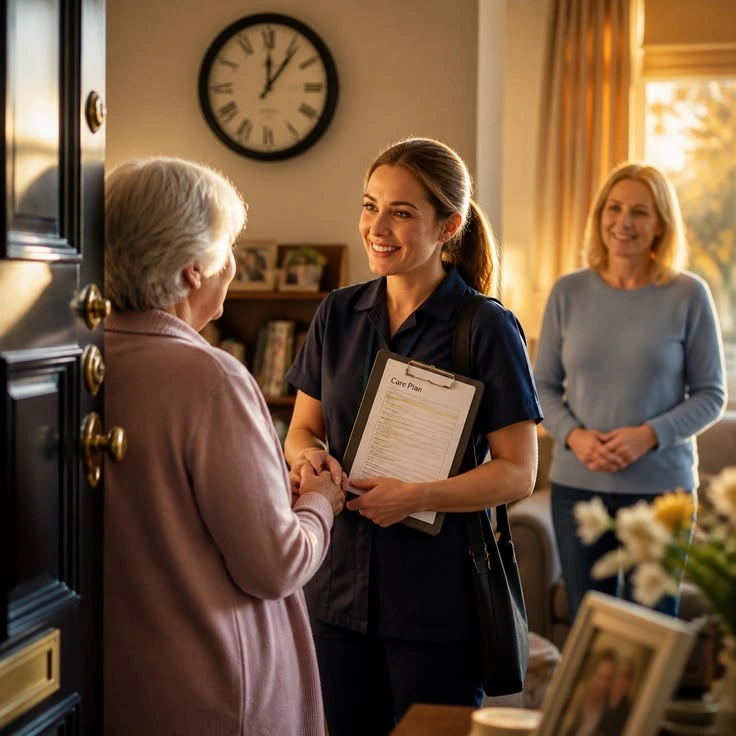
Caring for someone you love can feel natural at first. Family members often step in with meals, medication reminders, personal care, shopping and companionship because they want their loved one to remain safe and comfortable at home. But as care needs become more complex, families can find themselves asking an uncomfortable question: when is family support no longer enough?
For many families, professional home care in Wolverhampton can provide the additional support needed without taking away the person’s independence. Professional carers can work alongside relatives, helping with everyday routines and more specialised needs while allowing families to continue being family rather than becoming full-time carers.
Family Care vs Professional Home Care: What Is the Difference?
Family care is support provided by relatives or close friends, while professional home care is delivered by trained care professionals according to an individual’s assessed needs and personalised care plan.
Family support can be incredibly valuable, particularly when a person needs occasional help or companionship. However, professional care becomes particularly important when care needs are regular, demanding, unpredictable or clinically complex.
A family member may be happy to help with shopping or preparing meals, for example. But providing regular personal care, managing complex conditions, supporting mobility or caring for someone who requires specialist interventions can become physically and emotionally demanding.
The decision does not have to be family care or professional care. In many situations, the best approach is a combination of both.
When Does Someone Need Professional Home Care?
Professional home care may be appropriate when a person’s daily care needs are becoming difficult for family members to manage safely or consistently.
Common signs include:
- Help is needed with washing, dressing or personal hygiene.
- Medication routines are becoming difficult to manage.
- Mobility or transfers require additional support.
- A long-term health condition requires regular monitoring.
- The person needs support with eating, drinking or continence.
- Family carers are feeling exhausted or overwhelmed.
- Care needs have increased following an illness, injury or hospital stay.
- The individual requires complex or nurse-led care at home.
One of the clearest warning signs is when caring starts affecting the health, work, relationships or emotional wellbeing of family members. Needing professional support does not mean the family has failed. It can simply mean that the person’s needs have changed.
Why Can Home Care Be Better Than Moving Away From Home?
For many people, remaining at home provides a sense of familiarity, control and emotional security. Professional home care allows individuals to receive support in an environment they already know and trust.
Home-based care can help a person maintain familiar routines, sleep in their own bedroom and stay connected to family, neighbours and their local community.
For families searching for home care in Wolverhampton, this can be particularly important when the person wants to remain at home but requires more support than relatives can reasonably provide.
Professional care can be arranged around the individual’s needs rather than expecting the person to adapt completely to a residential setting.
What Does Professional Home Care Actually Involve?
Professional home care is not simply someone coming into the house to complete a list of tasks. Good care starts by understanding the person behind the care needs.
A proper assessment should consider the individual’s physical health, daily routines, preferences, communication needs, emotional wellbeing, risks, and personal goals. The resulting care plan should then explain what support is required and how it should be provided.
Depending on the person’s needs, support may include:
- Personal care and hygiene
- Dressing and grooming
- Medication support
- Meal preparation and nutritional support
- Mobility and repositioning assistance
- Continence care
- Companionship
- Support with appointments and routines
- Support for long-term conditions
- Complex care and clinical interventions where appropriately trained staff are required
For people with more complex needs, a nurse-led approach can provide additional clinical oversight and coordination.
How Does Nurse-Led Home Care Work?
Nurse-led home care combines professional nursing knowledge with personalised support delivered in the person’s own home.
The first step is usually an assessment of the individual’s needs. This helps identify the level of care required, potential risks and the skills needed from the care team.
A personalised care plan can then be developed around the person’s condition, preferences and daily routine. Where clinical care is required, appropriately trained professionals can follow agreed procedures and monitor changes that may require further clinical attention.
This approach can be particularly valuable for people living with complex conditions, disabilities, neurological conditions, respiratory needs, enteral feeding requirements, catheter or stoma care, or other specialist needs.
The aim is not to take control away from the individual. Instead, professional support should help the person remain as independent and involved in their own care as possible.
The Benefits Families Often Notice
Choosing professional care can make a meaningful difference to both the individual receiving care and the people supporting them.
Greater independence
The right support can help a person continue doing the things they can safely manage themselves. Care should encourage independence rather than automatically taking over.
Better quality of life
Consistent support with personal care, routines, nutrition, mobility and companionship can make everyday life more manageable and comfortable.
Less pressure on family members
When relatives no longer have to provide every aspect of care, they can spend more time enjoying meaningful moments together.
A daughter can return to being a daughter. A son can focus on conversation and companionship rather than constantly worrying about whether every care task has been completed.
Potentially fewer avoidable hospital visits
Appropriate care, monitoring and early recognition of changes in health can help identify concerns sooner. While professional home care cannot prevent every hospital admission, good care planning and communication may help reduce avoidable problems.
Greater reassurance
Knowing that trained professionals are supporting a loved one can reduce some of the uncertainty and anxiety families experience when managing care alone.
How Should You Choose a Home Care Provider in Wolverhampton?
Choosing a care provider is a major decision, particularly when someone has complex or changing needs. It is worth looking beyond price alone.
Before making a decision, ask:
Is the provider appropriately registered?
Check the provider’s regulatory status and understand what regulated services they are registered to provide.
Who will actually provide the care?
Ask about staff training, experience, supervision and how staff are matched to individual care needs.
Will the care plan be personalised?
Good care should reflect the person’s routines, preferences, communication style, risks and goals.
How are changes in health managed?
Find out how concerns are reported, documented and escalated.
What happens if the regular carer is unavailable?
A reliable contingency plan is important for continuity and safety.
Will the family be involved?
Families should understand how communication works and who they can contact if they have concerns.
Is the provider experienced with complex care?
If specialist support is required, ask whether the team has the appropriate clinical skills and experience.
These questions can help families move beyond marketing claims and make a more informed decision.
Practical Advice for Families Considering Professional Care
You do not need to wait until a situation becomes a crisis before asking for help.
Start by writing down what the person currently needs throughout a normal day. Include morning routines, meals, medication, mobility, personal care, appointments, evening routines, and overnight concerns.
Then consider what the family can realistically continue providing.
Be honest about the pressure involved. If someone is regularly missing work, losing sleep, experiencing physical strain or feeling emotionally exhausted, those are important signs that additional support may be needed.
It is also useful to involve the person receiving care in decisions wherever possible. Their preferences, dignity and choices should remain central to the care plan.
UK-regulated care should be delivered with key principles such as person-centred support, dignity and respect, safety, appropriate staffing and good governance in mind. Families should feel comfortable asking providers how these principles are reflected in everyday care.
Lifetouch Care: Trusted Home Care in Wolverhampton
Choosing a care provider is ultimately about trust. Families want to know that the person they love will be treated as an individual, listened to and supported with patience and respect.
Lifetouch Care provides nurse-led, expert-driven care designed around individual needs in Wolverhampton. The focus is on combining professional expertise with a compassionate approach so people can receive appropriate support in the comfort and familiarity of their own homes.
Key strengths include:
- Nurse-led, expert-driven care designed for individuals with varying levels of care and complex support needs.
- Fully personalised care plans developed around individual health needs, preferences, routines and goals.
- Compassion-focused support that recognises the emotional as well as physical side of care.
- Local Wolverhampton expertise, supporting individuals and families within the local community.
- A commitment to dignity and independence, helping people remain involved in their own lives and decisions.
- CQC registration and regulated care delivery, with care focused on applicable Care Quality Commission standards and requirements.
- A strong focus on safety and quality, including appropriate care planning, professional oversight and communication with families and relevant professionals.
For families considering professional home care Wolverhampton, the goal should not simply be to find someone who can complete care tasks. It is to find a team that understands the individual, communicates clearly and provides support that fits naturally into their life.
Take the Next Step With Confidence
Choosing care for yourself or someone you love can feel overwhelming, but you do not have to make the decision without guidance.
Contact Lifetouch Care today to discuss your care needs in Wolverhampton and request a personalised care plan. Speak with the care team to understand what support may be appropriate and how professional care can help your loved one remain safe, comfortable and independent at home.
Frequently Asked Questions
What is professional home care in Wolverhampton?
Professional home care involves trained care professionals providing support in a person’s own home according to their individual needs and care plan. Support can range from personal care and companionship to more complex or specialist care where appropriately trained staff are required.
Is professional home care better than family care?
Neither option is automatically better. Family care vs professional home care is often not an either-or decision; professional carers can work alongside relatives to provide additional support when care needs become difficult for families to manage alone.
Can professional home care help someone remain independent?
Yes. A well-designed care plan should support the person’s abilities rather than unnecessarily taking over tasks they can still perform. The aim is to promote dignity, independence, confidence and quality of life at home.
When should I consider professional home care for an elderly relative?
Consider professional support when an elderly relative begins struggling with personal care, medication, mobility, nutrition, household routines or safety, or when family carers are becoming overwhelmed. An assessment can help determine what level of support is appropriate.
Can professional home care support people with complex care needs?
Yes, depending on the provider’s registration, staff skills and the individual’s specific requirements. Complex care may involve specialist support for conditions requiring clinical monitoring or interventions, and families should always confirm that the provider has the appropriate expertise.
How do I choose the right home care provider in Wolverhampton?
Look at the provider’s registration, staff qualifications and training, care planning process, experience with relevant conditions, communication arrangements and approach to safety and dignity. Most importantly, choose a provider that listens to the individual and can clearly explain how their care will be delivered.