


How to Arrange Emergency Complex Home Care in Wolverhampton Quickly
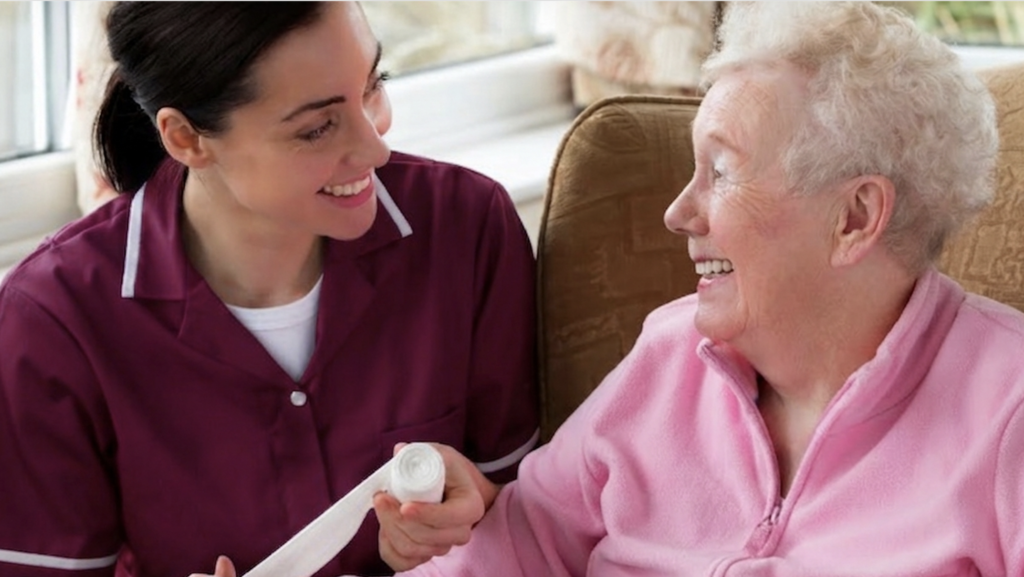
When a loved one suddenly needs more support at home, families can feel overwhelmed. A hospital discharge may happen sooner than expected, a health condition may deteriorate, or a family carer may suddenly become unable to continue providing the level of care required.
In these situations, complex care Wolverhampton families can rely on needs to be arranged quickly—but speed should never mean compromising safety. Emergency home care should begin with an assessment of the person’s clinical needs, followed by a clear care plan, appropriately trained professionals, and communication between everyone involved.
Knowing what to do first can make an urgent situation feel more manageable.
What Is Emergency Complex Home Care?
Emergency complex home care is specialist support arranged at short notice for someone whose health or care needs have suddenly increased and cannot be safely managed with ordinary home support.
It may be required after:
An unexpected hospital discharge
A sudden deterioration in a long-term condition
A serious injury or illness
A change in mobility or independence
A family carer becoming unavailable
The introduction of medical equipment at home
New nursing or personal care requirements
Emergency care does not mean skipping proper assessment. Even when support is needed urgently, the provider should establish what the person needs, what risks are present, and which professionals are suitably qualified.
If someone is experiencing a life-threatening emergency, home care should not be used as a substitute for emergency medical treatment. Call 999 when immediate emergency assistance is required. For urgent but non-life-threatening health concerns, NHS services such as 111 may be appropriate.
When Might Someone Need Urgent Complex Care at Home?
Urgent complex care may be appropriate when a person’s healthcare needs have changed significantly and ordinary family support is no longer enough.
Common examples include:
After an Unexpected Hospital Discharge
A person may return home following treatment with new medication, mobility limitations, equipment, or specialist care requirements.
NHS guidance states that hospital discharge planning should consider what further care and support a person may need after leaving hospital, with families and carers involved where appropriate.
After a Sudden Change in Health
A long-term condition can sometimes become more difficult to manage, increasing the need for professional assistance.
This could involve:
Respiratory support
Neurological care
Increased mobility assistance
Medication management
Personal care
Nutritional support
Monitoring of changing symptoms
When a Family Carer Can No Longer Provide Enough Support
Family members often provide care because they want to help someone they love. But caring responsibilities can become physically and emotionally exhausting.
A sudden illness, work commitment, exhaustion, or change in the person’s needs may mean additional professional support becomes necessary.
What Should Families Do First?
The first step is to establish whether the situation is a medical emergency or an urgent care requirement.
If there is an immediate threat to life, contact emergency medical services rather than arranging routine home care.
If the situation is urgent but stable, families can begin by:
Speaking with the person’s GP, community nurse, hospital team, or relevant healthcare professional.
Asking for a clear description of the person’s current care needs.
Gathering discharge documents, medication information, and existing care plans.
Identifying what support is needed immediately.
Contacting suitable regulated home care providers.
Asking whether they can safely meet the required needs and timescale.
This information gives a prospective provider a much clearer understanding of what is required.
How Quickly Can Complex Home Care Be Arranged?
The timeframe depends on the person’s needs, the urgency of the situation, staff availability, and whether specialist clinical skills are required.
Straightforward care may sometimes be arranged quickly, while highly complex support can require additional assessment, clinical information, equipment, or staff with specific competencies.
Families should therefore avoid choosing a provider simply because they promise the fastest start.
The more important question is:
Can the provider safely deliver the right level of care from the moment support begins?
A reliable service should be transparent about what can realistically be arranged and whether additional preparation is required.
What Information Will a Care Provider Need?
Providing accurate information early can help speed up the assessment process.
Families should have the following available where possible:
Diagnosis and relevant medical history
Current medication list
Hospital discharge documents
Existing care plans
Mobility requirements
Communication needs
Equipment currently used
Allergies
Dietary requirements
Emergency contact details
Details of other healthcare professionals involved
For someone with complex healthcare needs, it is particularly important to explain any specialist interventions or equipment.
For example, a person returning home with a tracheostomy, ventilator, feeding tube, or significant neurological needs may require professionals with specific training and experience.
How Does Nurse-Led Emergency Home Care Work?
Nurse-led care provides clinical oversight alongside practical day-to-day support, helping ensure that care is based on the person’s actual healthcare requirements.
A nurse-led approach may involve:
Initial Clinical Assessment
The person’s health needs, risks, medication, mobility, personal care requirements, and existing treatment are reviewed.
Personalised Care Planning
A care plan identifies what support is required, when it should be provided, who is responsible, and how changing needs will be managed.
Specialist Care
Depending on qualifications and competencies, support may include respiratory care, tracheostomy management, ventilator support, medication assistance, rehabilitation, continence care, or palliative care.
Ongoing Clinical Oversight
Care needs can change quickly. Appropriate clinical oversight helps identify concerns and determine when further healthcare input may be required.
Family Communication
Families should know who to contact if something changes and how concerns will be escalated.
The aim is not simply to provide more hours of care. It is to create a safe and coordinated support system that allows the individual to remain as independent as possible.
Can Emergency Care Help Someone Avoid an Unnecessary Hospital Stay?
Appropriate care at home can support recovery and independence for some people, but it cannot replace hospital treatment when hospital-level medical care is required.
NHS guidance recognises home-based and intermediate care as important options for people recovering after illness or hospital discharge. Intermediate care can support recovery and help people regain independence following a hospital stay, fall, injury, or illness.
For people with complex needs, however, the decision to remain at home must be based on clinical suitability.
Professional home support may help with:
Medication routines
Personal care
Mobility
Rehabilitation
Nutrition
Monitoring
Emotional wellbeing
The goal is to support the person’s recovery or long-term health while ensuring appropriate medical escalation when necessary.
What Should Families Check Before Choosing an Urgent Care Provider?
When care is needed quickly, it can be tempting to focus entirely on availability. Families should also investigate quality and safety.
Check CQC Registration
In England, many homecare agencies providing regulated personal care need to be registered with the Care Quality Commission.
The CQC provides a searchable directory where families can find regulated homecare agencies and review available information about services.
Ask About Specialist Experience
If the person has complex needs, ask whether carers and nurses have appropriate training and experience.
Questions can include:
Have you supported people with this condition?
Can you provide nurse-led oversight?
What happens if the person’s condition changes?
How are emergencies escalated?
How are care plans reviewed?
Understand Safeguarding Procedures
A reputable provider should have clear safeguarding processes and risk management procedures.
CQC regulations include requirements relating to safe care and treatment and safeguarding people from abuse and improper treatment.
Ask About Continuity
Changing carers repeatedly can be unsettling, particularly for someone who is already anxious or recovering from illness.
Ask how the provider manages staff continuity, handovers, sickness cover, and changes in care needs.
What Are the Benefits of Arranging Complex Care at Home?
When appropriate, specialist home care can offer significant practical and emotional benefits.
Familiar Surroundings
Being at home can help reduce the disruption associated with moving into a care environment.
Greater Independence
Professional support can help individuals complete daily activities while retaining as much control as possible.
Personalised Attention
Care can be designed around the person’s routines, preferences, communication style, and healthcare requirements.
Family Reassurance
Families can receive professional support rather than carrying the entire responsibility themselves.
Better Continuity
A coordinated care plan can help different professionals and family members understand what the individual needs.
For many families, this combination of professional expertise and familiarity provides reassurance during an uncertain period.
What If Care Is Needed Outside Normal Working Hours?
Urgent situations do not always happen during office hours. A care provider should explain how urgent enquiries are handled, whether an assessment can take place outside standard hours, and how clinical concerns are escalated.
Families should ask:
Is there an out-of-hours contact?
Who responds to urgent changes?
What happens if a scheduled carer cannot attend?
How are emergencies communicated?
Is clinical advice available when required?
These questions are particularly important when someone requires overnight support or continuous supervision.
Why Choose Lifetouch Care in Wolverhampton?
When care needs change unexpectedly, families need reassurance that the person supporting their loved one understands both the clinical requirements and the emotional importance of remaining at home.
Lifetouch Care provides nurse-led, expert-driven care designed around individual needs and changing circumstances.
Key strengths include:
Nurse-led expert care
Fully personalised care plans
Compassion-focused support
Local Wolverhampton expertise
Commitment to dignity and independence
Registered and compliant with Care Quality Commission standards
Focus on safety and quality
Experienced healthcare professionals
Family-centred support
The emphasis is on understanding the individual first, then creating a practical care approach that protects safety while helping them remain comfortable and as independent as possible.
Lifetouch Care – Best Choice for Nurse-Led Home Care in Wolverhampton
Lifetouch Care combines clinical expertise with compassionate home-based support for individuals whose needs require professional attention. With personalised care planning and experienced healthcare professionals, families can have greater reassurance when urgent support is needed.
Need Urgent Care Support for a Loved One?
When a loved one’s health changes unexpectedly, arranging the right care can feel stressful and uncertain. Families may have questions about safety, availability, costs, and whether the required support can be provided at home. Taking action early can make the process easier and give you time to understand the available options. Professional assessment, clear communication, and a personalised care plan can help ensure your loved one receives appropriate support without compromising their dignity, comfort, independence, or quality of life. With the right guidance, families can feel more confident about making an informed decision during a difficult and emotional time.
Frequently Asked Questions
1. What is emergency complex care in Wolverhampton?
Emergency complex care is specialist home support arranged quickly when an individual’s healthcare needs have suddenly increased. It may be needed following hospital discharge, illness, injury, or a significant change in a long-term condition.
2. Can complex home care be arranged after a hospital discharge?
Yes, depending on the person’s needs and the availability of an appropriate care service. Hospital discharge planning should identify the support required at home, and families should receive relevant care information before or around discharge.
3. How quickly can urgent home care be arranged?
There is no universal timeframe. It depends on the complexity of the person’s needs, required staff competencies, availability, equipment, assessments, and the information available.
4. What should I look for in an emergency complex care provider?
Look for appropriate CQC registration, trained professionals, experience with the person’s condition, personalised care planning, safeguarding procedures, risk assessments, clinical oversight, and clear emergency arrangements.
5. Can nurse-led home care support complex medical conditions?
Yes, where the provider has appropriately qualified professionals and the required competencies. Support may include specialist nursing interventions, medication assistance, respiratory care, rehabilitation, or palliative care depending on individual needs.
6. Can emergency home care prevent a hospital admission?
Sometimes appropriate home-based support can help a person recover safely or manage ongoing needs at home, but it should never replace emergency medical treatment when hospital care is clinically necessary.